
IPTV US
If you are exploring IPTV US options for the first time, you are not alone. Millions of American households are moving away from traditional cable and turning to Internet Protocol Television as a more flexible, affordable way to watch live TV, sports, movies, and on-demand content. IPTV streaming delivers television through your internet connection instead of a cable box or satellite dish, giving you access to hundreds or even thousands of channels on the devices you already own.
The key to a good experience with any USA IPTV service is knowing what to look for before you subscribe. Not every provider offers the same channel lineup, streaming quality, or customer support. Some are reliable and transparent, while others make big promises they cannot keep. The difference between a frustrating experience and a great one often comes down to doing a bit of homework first.
This guide walks you through everything that matters when choosing an IPTV service in the United States. You will learn what features to prioritize, which channels and content categories are most important for American viewers, how to check device compatibility, and how IPTV compares with cable and other live TV alternatives. Whether you are brand new to cord-cutting or simply looking for a better streaming option, you will find practical advice here to help you make a confident decision.
Key Takeaways
- The best IPTV services for US viewers combine stable streaming, transparent pricing, and broad channel coverage including local networks, sports, and on-demand content.
- Device compatibility across smart TVs, Firestick, Apple TV, and mobile devices is essential for a flexible viewing experience.
- Always test a provider through a trial period and verify its reputation before committing to a long-term subscription.
What To Look For In IPTV US
Choosing the right IPTV service comes down to a handful of practical factors: the channels available for American viewers, how stable and sharp the streams are, how honest the pricing is, and how easy it is to get started and get help when something goes wrong.
Channel Availability For American Viewers
The first thing you should check with any IPTV provider is whether it carries the US channels you actually watch. A service advertising 20,000 channels means nothing if it does not include your local CBS affiliate, your preferred regional sports network, or the news channels you rely on.
Make a list of your 10 to 15 must-have channels before you start comparing. Then verify those channels are available, not just listed in a marketing graphic. The best IPTV services for US viewers carry a strong mix of local networks, national news, major sports channels, and premium content.
Streaming Stability And Picture Quality
A huge channel count is worthless if streams constantly buffer or drop in quality during peak hours. Look for providers that advertise HD and 4K streaming, but pay attention to real user feedback about consistency.
Stable IPTV services typically run on multiple server locations and use anti-freeze technology to reduce interruptions. You want a service that holds up on a Friday night when millions of people are streaming at the same time.
Pricing Transparency And Trial Options
Trustworthy IPTV providers list their subscription plans clearly on their website. You should be able to see exactly what you are paying, what you get, and how long the plan lasts without digging through fine print.
An affordable IPTV subscription typically ranges from $10 to $25 per month, depending on the channel count and features. Always look for a money-back guarantee or a short trial option so you can test the service risk-free.
Support, Activation, And Ease Of Use
Instant activation after payment is a green flag. If a provider takes hours or days to send your login details, that is a warning sign about how they handle support in general.
Look for 24/7 customer support through live chat or email support. A clean, intuitive user interface also matters. You should not need a technical background to navigate the channel guide, search for content, or switch between live TV and on-demand titles.
Channels And Content That Matter Most In The US
American television has a uniquely complex broadcast landscape with local affiliates in every market, a massive sports ecosystem, 24-hour news networks, and deep libraries of movies and series. The right IPTV service gives you access to all of these categories without requiring multiple subscriptions.
Local Networks, News, And American TV Essentials
For most US households, local networks are non-negotiable. You need ABC, CBS, NBC, and Fox affiliates from your area or a nearby market. These carry local news, primetime shows, and live sports broadcasts that national feeds do not always include.
Beyond local channels, look for the major news networks: CNN, Fox News, MSNBC, and CNBC. These are among the most-watched live TV channels in the country. A strong IPTV service will carry dozens of American channels across entertainment, lifestyle, and general interest categories as well.
Sports Coverage, PPV, And Regional Access
Sports are often the main reason people keep paying for traditional cable. A quality IPTV provider should include major sports channels like ESPN, Fox Sports, NFL Network, NBA TV, and MLB Network.
Regional sports networks (RSNs) are where things get tricky. These carry your local NBA, NHL, and MLB team broadcasts, and not every IPTV service includes them. If live sports matter to you, confirm RSN availability before subscribing.
PPV events like UFC fights and boxing cards are another category to check. Some services include pay-per-view access in their premium plans, while others charge separately.
Movies, Series, And On-Demand Libraries
Beyond live channels, most IPTV services include a VOD library with thousands of on-demand movies and TV shows. The size and freshness of this library vary widely between providers.
A solid on-demand library should include recent movie releases, popular series, and a good selection of international content. Some services offer over 100,000 VOD titles, though quality and organization matter more than raw numbers. Look for a well-categorized on-demand section that makes it easy to find something to watch without endless scrolling.
Device Compatibility And Setup
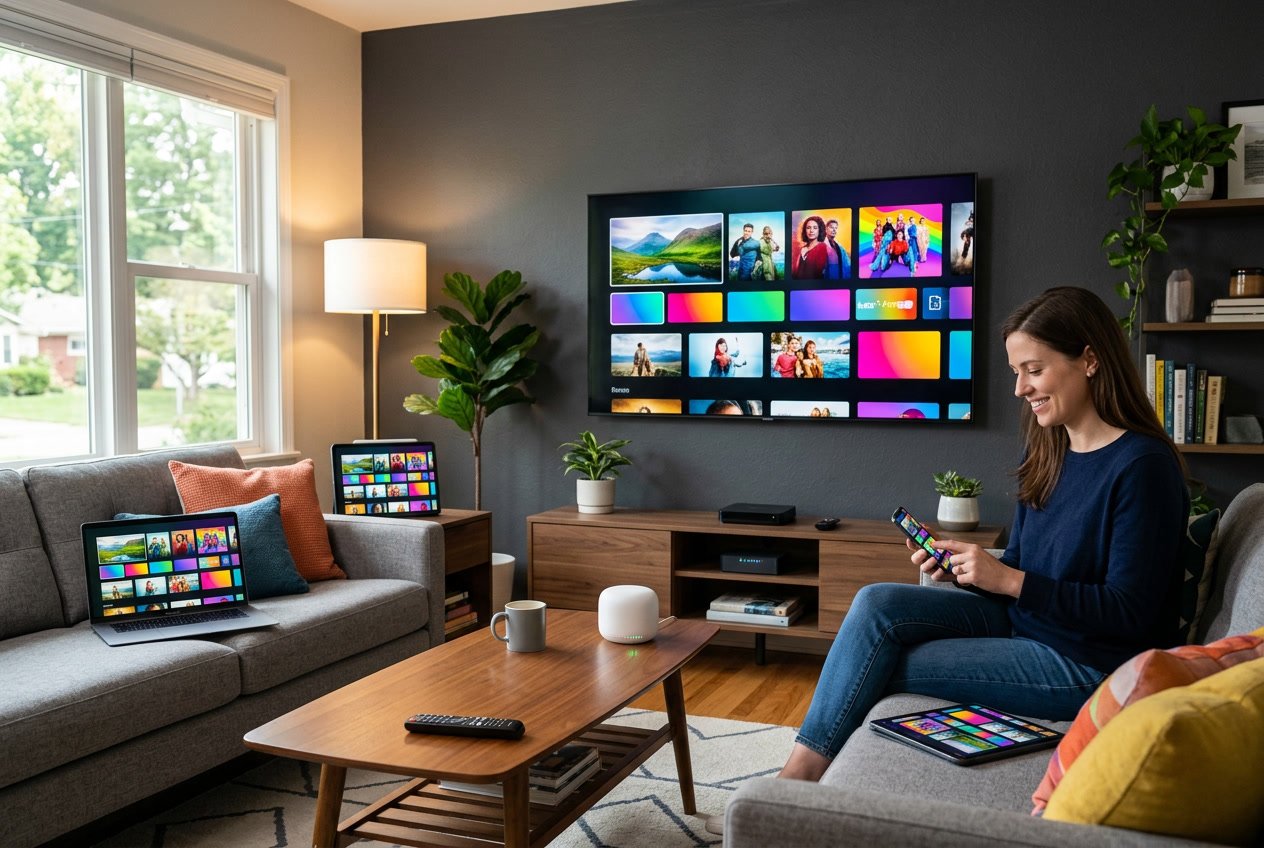
A good IPTV service should work on the devices you already own without requiring expensive new hardware. Most providers today support a wide range of platforms, but the experience can vary depending on which device and app you use.
Smart TV, Firestick, And Android TV Options
Amazon Firestick is one of the most popular devices for IPTV in the US because it is affordable and supports most IPTV apps. Apps like TiviMate and IPTV Smarters Pro work well on Firestick and provide a cable-like channel browsing experience.
Android TV devices and Android-based smart TVs offer similar flexibility. Most IPTV providers design their apps for Android first, which means you tend to get the most polished experience on these platforms.
Samsung and LG smart TVs can also run IPTV apps, though the selection is more limited. Check whether your specific TV model supports the app your provider recommends.
Apple TV, Chromecast, And IPTV Box Support
If you are in the Apple ecosystem, look for providers that support Apple TV with apps like GSE IPTV or IPTV Smarters. The experience is smooth on Apple TV, though fewer IPTV apps are available compared to Android.
Chromecast works with some IPTV apps that support casting from your phone. Dedicated IPTV boxes like Formuler or MAG devices are another option if you want hardware built specifically for IPTV.
M3U Playlists, Apps, And Multi-Device Use
Some IPTV providers give you an M3U playlist link instead of a dedicated app. This link can be loaded into compatible players on almost any device, giving you maximum flexibility.
Multi-device support is something to check carefully. Many providers allow two to four simultaneous streams on a single subscription, which is ideal for households with multiple viewers. Confirm how many connections are included so everyone in your home can watch at the same time.
Streaming Performance And Reliability
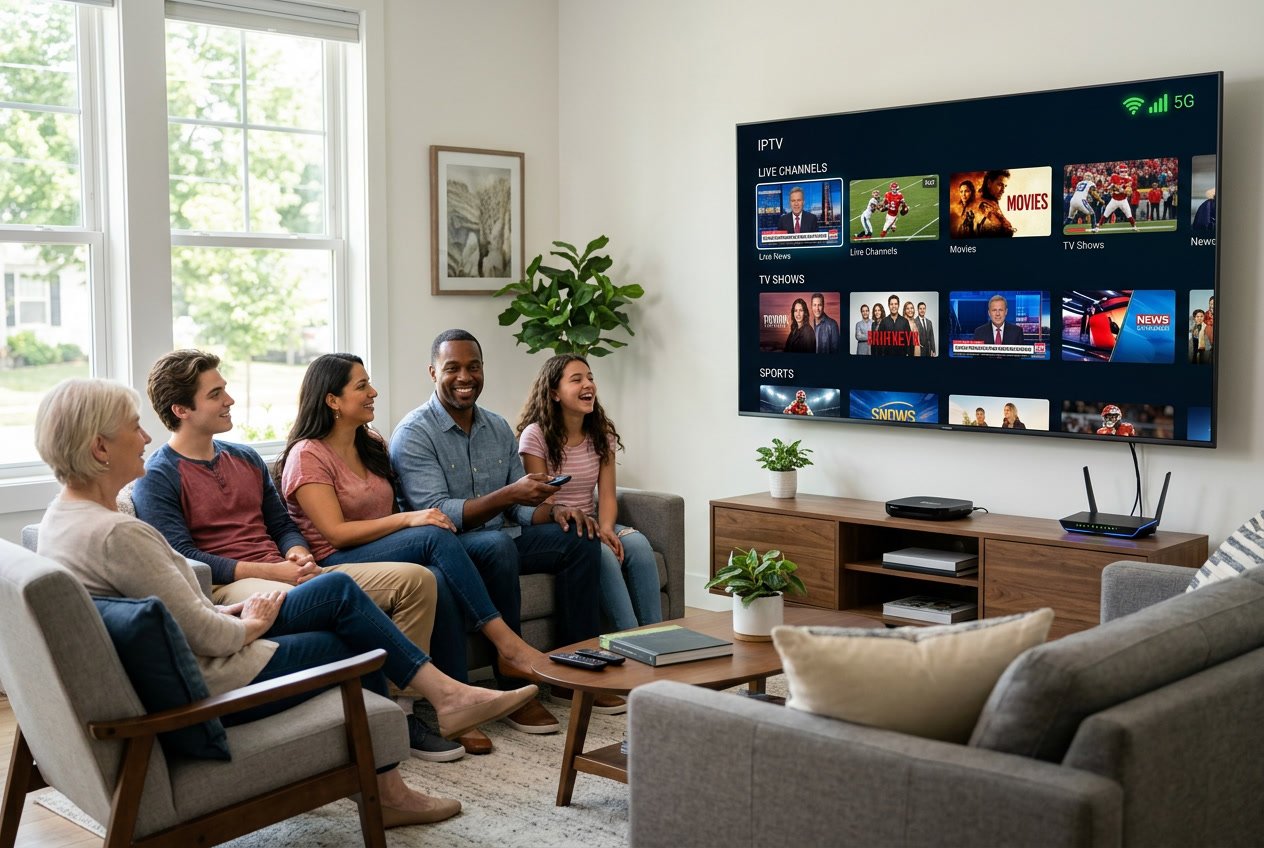
Performance is what separates a usable IPTV service from one that drives you back to cable. The factors that matter most day to day are the electronic program guide, stream stability, and whether the provider can consistently deliver HD and 4K quality.
EPG, TV Guide, And Everyday Usability
An electronic program guide (EPG) is essentially your on-screen TV guide. It shows you what is currently airing and what is coming up on each channel. A well-built EPG makes IPTV feel just like flipping through cable.
Not all providers offer a complete or accurate EPG. In my experience, services that invest in a regularly updated TV guide tend to be more reliable across the board. If the guide is broken or missing, it usually signals deeper quality issues with the service.
Buffer-Free Streaming And Anti-Freeze Technology
Buffering is the single biggest frustration with IPTV. The best providers use anti-freeze technology and maintain servers in multiple locations to keep streams smooth. You should expect a buffer-free experience on a stable internet connection of 25 Mbps or higher.
If you notice frequent freezing, the problem could be your connection, your device, or the provider’s servers. Start by testing your internet speed and switching to a wired Ethernet connection if possible. If the issues persist, the provider’s infrastructure is likely the weak link.
Server Uptime, HD, And 4K Expectations
Reliable IPTV providers advertise 99.9% server uptime or better. While brief outages can happen with any service, frequent downtime is a clear sign to look elsewhere.
HD streaming should be the baseline for every channel. 4K streaming is available from some providers but requires a faster internet connection, typically 50 Mbps or more, and a 4K-capable device. Be realistic about 4K expectations. Most live TV channels are broadcast in HD, and true 4K content is still limited to select events and on-demand titles.
Comparing IPTV US With Cable And Live TV Alternatives
The question most cord-cutters ask is whether IPTV can truly replace cable without sacrificing the channels and features they depend on. The answer depends on what you value most: cost, convenience, or coverage.
When IPTV Makes More Sense Than Cable
Cable TV in the US now costs the average household between $83 and $150 per month. Most IPTV services offer comparable or larger channel lineups for $10 to $30 per month. That price difference alone is the primary driver behind cord-cutting.
IPTV also eliminates contracts, equipment rental fees, and installation appointments. You can sign up, activate, and start watching within minutes. If the service does not meet your expectations, you can cancel without penalty.
How IPTV Compares With YouTube TV And Sling TV
YouTube TV and Sling TV are legitimate, licensed IPTV services that offer a more traditional streaming experience with major network channels, sports, and cloud DVR. YouTube TV costs around $73 per month and includes over 100 channels. Sling TV starts at about $40 per month with a smaller but customizable lineup.
Third-party IPTV providers often offer far more channels at a lower price point, but they may not carry the same licensing guarantees. The trade-off is between paying more for a fully licensed platform or paying less for a service with broader content but less regulatory oversight.
Trade-Offs In Cost, Convenience, And Coverage
| Factor | Cable TV | YouTube TV / Sling TV | Third-Party IPTV |
|---|---|---|---|
| Monthly Cost | $83 to $150+ | $40 to $73 | $10 to $30 |
| Contracts | Often 1-2 years | No contract | No contract |
| Channel Count | 150 to 300+ | 50 to 100+ | 1,000 to 20,000+ |
| Local Networks | Yes | Yes (most markets) | Varies by provider |
| Sports / RSNs | Strong | Good | Varies by provider |
| DVR | Set-top box | Cloud DVR | Limited or none |
| Device Flexibility | Cable box only | Most devices | Most devices |
The right choice comes down to your priorities. If you want the cheapest option with the most content, third-party IPTV wins. If you value licensing assurance and cloud DVR, YouTube TV or Sling TV are safer bets. Cable remains the most predictable option for local network and RSN coverage, but at a much higher price.
Popular IPTV US Providers To Research Carefully
The IPTV market in the US is crowded, and new providers appear constantly. Rather than recommending one service over another, the focus here is on how to evaluate any provider before handing over your credit card.
Xtreme HD IPTV And Other Well-Known Names
Xtreme HD IPTV is one of the most frequently mentioned names in IPTV discussions. It is known for offering a large channel lineup, HD and 4K streams, and VOD libraries with tens of thousands of titles. Other well-known names surface regularly in reviews and user forums.
Popularity alone does not guarantee quality. A provider that worked well six months ago may have degraded since then. Always check recent reviews and test the service yourself before committing.
DigitaLizard IPTV, Plevo IPTV, And Similar Services
DigitaLizard IPTV and Plevo IPTV are among the providers that have gained visibility in 2025 and 2026. They typically advertise premium channel packages, competitive pricing, and multi-device compatibility.
Services like these often compete on price and channel count. What matters more is whether they deliver stable streams, responsive customer support, and honest marketing. A service that promises 50,000 channels but delivers poor picture quality on half of them is not a good deal at any price.
How To Vet Any Provider Before You Subscribe
Follow these steps before subscribing to any IPTV service:
- Search for recent user reviews on forums, Reddit, and social media. Focus on feedback from the last 30 to 60 days.
- Look for a trial option or money-back guarantee. Any provider confident in its service should let you test it.
- Check the website for clear contact information, a real support system, and transparent pricing.
- Test during peak hours (evenings and weekends) when server loads are highest.
- Verify the channel lineup against your must-have list before paying for a long-term plan.
If a provider refuses to offer a trial, hides its pricing, or only accepts cryptocurrency, those are red flags worth taking seriously.
Frequently Asked Questions
Which IPTV services are considered the most reliable options in 2026?
The most reliable IPTV services in 2026 tend to be those with documented uptime above 99.9%, responsive customer support, and consistent user reviews over several months. Providers like Xtreme HD IPTV and several newer services have strong reputations, but reliability can shift over time. Always check recent user feedback rather than relying on outdated reviews.
What channel categories and regional lineups are typically available, including Indian channels?
Most IPTV US providers carry a wide range of American channels including local networks, news, sports, and premium entertainment. Many also include international channel packages covering Indian, UK, Canadian, and Latin American programming. If specific international channels are important to you, verify the lineup with the provider’s support team or trial access before subscribing.
How can I evaluate a service during a free trial to confirm stability and picture quality?
During a trial, test the channels you plan to watch most frequently at different times of day, especially during evening peak hours. Check for buffering, channel-switching speed, EPG accuracy, and whether HD and 4K streams hold their quality. Also test on each device you plan to use so you know the experience is consistent.
What internet speed and device setup are recommended for smooth 4K streaming?
For HD IPTV streaming, you need at least 25 Mbps of stable internet speed. For 4K content, aim for 50 Mbps or higher. A wired Ethernet connection to your streaming device will always outperform Wi-Fi for stability. Compatible devices include Amazon Firestick 4K, Android TV boxes, Apple TV, and most modern smart TVs.
What are the key differences between popular providers like Realm IPTV, LexonStream IPTV, and Silk IPTV?
Realm IPTV is often highlighted for its massive channel count and fast support response times. LexonStream IPTV tends to focus on sports coverage with dedicated US and international sports channels. Silk IPTV and similar providers compete on pricing and VOD library size. The best approach is to test each one through a trial period and compare stream quality, channel accuracy, and support responsiveness.
How do I troubleshoot buffering, freezing, or login issues on common IPTV apps and devices?
Start by testing your internet speed and switching to a wired connection if you are on Wi-Fi. Clear the cache on your IPTV app and restart your device. If the problem continues, try a different IPTV app or player to rule out app-specific issues. For login problems, contact your provider’s support team directly. Persistent buffering across multiple channels and times usually points to a server-side issue with the provider.
Table of Contents
IPTV US IPTV US IPTV US IPTV US IPTV US IPTV US IPTV US IPTV US IPTV US IPTV US IPTV US IPTV US IPTV US IPTV US IPTV US IPTV US IPTV US IPTV US IPTV US IPTV US IPTV US IPTV US IPTV US IPTV US IPTV US IPTV US IPTV US IPTV US IPTV US IPTV US IPTV US IPTV US IPTV US IPTV US IPTV US IPTV US IPTV US IPTV US IPTV US IPTV US IPTV US IPTV US