
4K IPTV
The streaming landscape has transformed dramatically with the introduction of 4K IPTV technology, offering viewers unprecedented access to ultra-high-definition content through internet protocol television services. Unlike traditional cable or satellite TV, 4K IPTV delivers crystal-clear resolution at 3840 x 2160 pixels directly through your internet connection, providing four times the detail of standard HD streaming. This advancement allows you to enjoy movies, sports, and live TV with exceptional clarity on compatible devices.

4K IPTV combines internet-based streaming with ultra-high-definition quality, giving you access to thousands of channels and on-demand content at a fraction of traditional cable costs. Most providers offer between 25,000 to 50,000+ channels, along with extensive video-on-demand libraries, all accessible through various devices including smart TVs, smartphones, tablets, and dedicated streaming boxes. The technology requires a minimum internet speed of 25 Mbps for smooth playback, though 50 Mbps or higher is recommended for optimal performance.
Choosing the right 4K IPTV service requires evaluating several factors including content variety, streaming reliability, device compatibility, and pricing structures. Annual subscription costs typically range from $50 to $90, with most providers offering 24-hour free trials so you can test the service before committing. Understanding these elements will help you select a provider that matches your viewing preferences and technical setup.KEMO IPTV
Key Takeaways
- 4K IPTV delivers ultra-high-definition streaming with four times the resolution of standard HD through your internet connection
- You need at least 25 Mbps internet speed and compatible devices to enjoy buffer-free 4K streaming
- Annual pricing ranges from $50-$90 with most services offering free trials and support for multiple devices simultaneously
What Is 4K IPTV?

4K IPTV combines ultra-high-definition resolution with internet-based television delivery to provide crystal-clear streaming without traditional cable infrastructure. This technology streams content at 3840×2160 pixels through your internet connection while offering flexible viewing options.
How 4K IPTV Works
IPTV technology delivers television content through internet protocols rather than traditional broadcast methods. When you select a channel or program, the service streams that specific content to your device over your internet connection. This unicast delivery method sends individual streams to each viewer instead of broadcasting all channels simultaneously.
4K IPTV requires your device to decode ultra-high-definition video data in real-time. The service transmits compressed 4K content through your network, which your streaming device or smart TV processes and displays at 3840×2160 pixel resolution. You need at least 25 Mbps of dedicated bandwidth to handle this data flow without buffering.
The system works through three main components: the content source, the delivery network, and your receiving device. Your IPTV provider encodes high-definition streaming content, transmits it through internet servers, and your compatible device renders it on your 4K display.
4K IPTV Versus Standard Streaming
4K streaming delivers four times the pixel density of standard HD content at 1920×1080 resolution. This increased detail becomes especially noticeable on screens larger than 50 inches where standard HD can appear less sharp.
IPTV differs from conventional streaming services through its delivery structure and content approach. Traditional streaming platforms like Netflix store content on central servers, while IPTV services often provide live television channels alongside on-demand libraries. You get access to real-time broadcasts through IPTV technology rather than only pre-recorded content.
The bandwidth requirements separate these technologies significantly. Standard HD streaming typically needs 5-10 Mbps, while 4K IPTV demands 25-50 Mbps for smooth playback. You’ll also notice that IPTV services frequently offer electronic program guides and time-shifting features that mirror traditional cable experiences.
Growth of IPTV and Ultra HD Content
The IPTV market has expanded rapidly as internet speeds have improved globally. More households now have access to connections capable of supporting 4K streaming, with bandwidth availability increasing by approximately 30% annually in developed markets.
Content production in 4K has grown substantially across sports broadcasting, entertainment networks, and documentary channels. Major sports leagues now produce significant portions of their content in ultra-high-definition, with some providers offering hundreds of 4K channels. This represents a dramatic increase from just a few years ago when 4K options were limited to specialty channels.
You’ll find that IPTV adoption has accelerated because it eliminates the need for proprietary equipment while providing comparable or superior picture quality to satellite services. The flexibility of month-to-month subscriptions and the ability to stream on multiple devices has made IPTV an attractive alternative for cord-cutters seeking high-definition streaming without long-term contracts.
Key Benefits of 4K IPTV Services

4K IPTV services deliver substantial improvements in picture quality, streaming reliability, and content accessibility compared to traditional television. These services transform standard viewing into an immersive experience through advanced technology and flexible delivery methods.
Superior Streaming Quality and Resolution
4K IPTV service provides 3840 × 2160 pixel resolution, which contains approximately 8.3 million pixels compared to HD content’s 2 million pixels. This quadrupling of pixel density creates sharper images with enhanced color depth and improved contrast ratios.
The technology uses H.265 (HEVC) compression codecs to deliver this enhanced quality efficiently. You’ll notice more detailed textures, from individual fabric threads in clothing to subtle facial expressions that standard HD misses. Sports broadcasts benefit particularly from this clarity, as you can track fast-moving objects without blur.
Modern 4K IPTV platforms incorporate High Dynamic Range (HDR) support, expanding the color spectrum and brightness levels. This creates more realistic images with better differentiation between light and dark areas. Streaming performance remains consistent through adaptive bitrate technology, which adjusts quality based on your connection speed to prevent buffering.
Home Entertainment Transformation
Your home entertainment setup gains significant versatility with 4K IPTV services. You can stream content across multiple devices simultaneously, including smart TVs, smartphones, tablets, and streaming boxes like Fire TV Stick 4K or Apple TV 4K.
Most providers support 3-5 concurrent connections on a single subscription. This means different family members can watch separate content on different devices without quality degradation. The elimination of physical cable boxes reduces clutter and removes equipment rental fees.
Advanced features like Electronic Program Guides (EPG) provide detailed show information and scheduling capabilities. Catch-up TV functionality lets you access programs broadcast up to 7 days prior, while Video on Demand libraries offer thousands of movies and series available instantly.
Flexible Content Access
4K IPTV services typically offer 10,000-20,000 live channels from multiple countries and regions. You gain access to international sports networks, premium movie channels, news broadcasts, and specialty programming not available through traditional cable.
The technology removes geographic restrictions that limit conventional television. Whether you want UK programming, European sports coverage, or Asian entertainment channels, you can access diverse content through a single subscription. Most services organize channels by category, language, or region for easy navigation.
Your bandwidth requirement for smooth 4K streaming ranges from 15-25 Mbps, though 30 Mbps provides comfortable overhead. This is achievable with standard home internet plans in most areas. The services work through standard internet connections without requiring specialized infrastructure or installation appointments.
Essential Features to Look For in a 4K IPTV Service
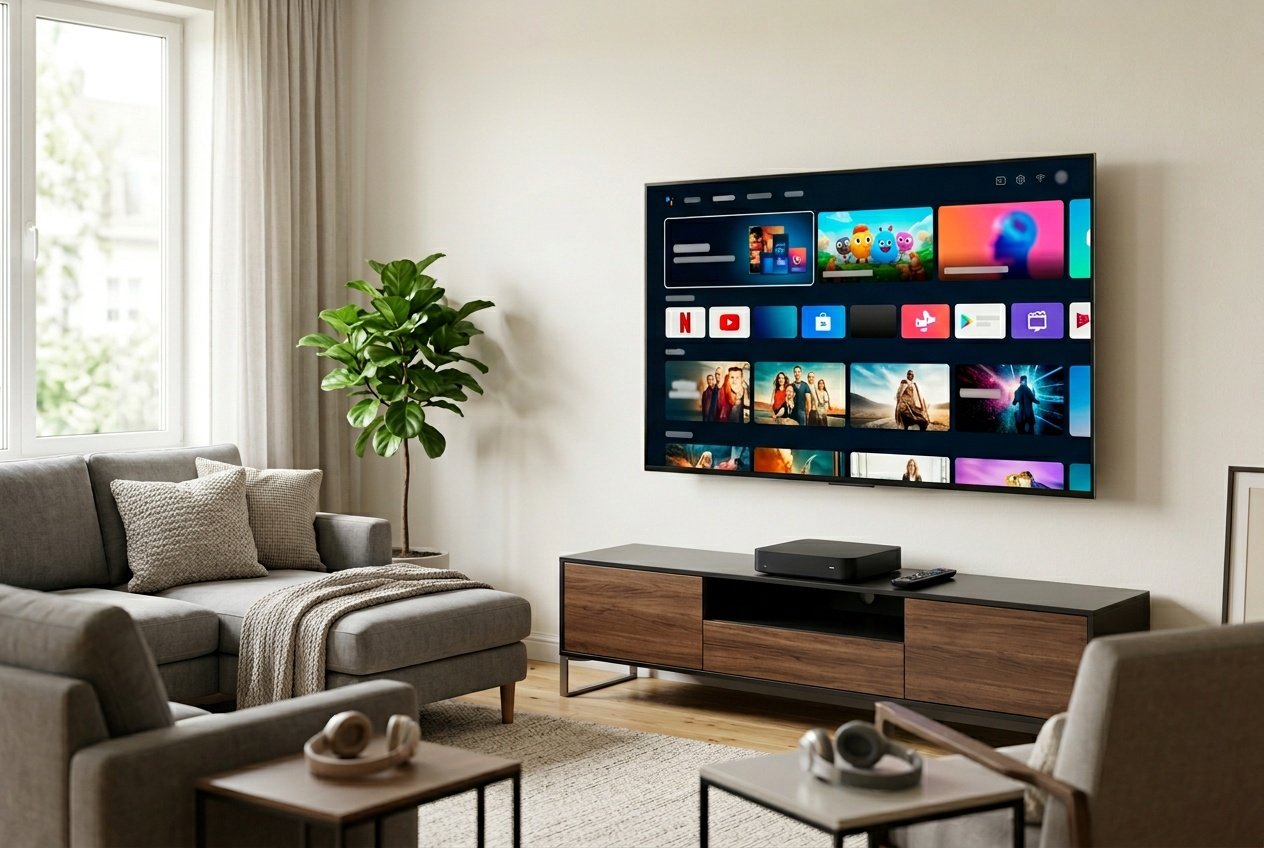
A quality 4K IPTV service requires more than just high-resolution streams. The best providers offer extensive content libraries with thousands of live channels and VOD titles, reliable catch-up functionality for missed programming, and intuitive electronic program guides that make navigation effortless.
Channel and Content Library
Your 4K IPTV service should provide a comprehensive content library that includes both live channels and on-demand content. Look for providers offering at least 1,000+ live channels across categories like sports, news, entertainment, and international programming.
The VOD library matters just as much as live content. A robust service includes thousands of movies and TV shows in 4K resolution, with regular additions to keep the catalog fresh. Content variety ensures you’ll find programming for different tastes and preferences.
Check whether the provider offers premium channels and exclusive content in 4K. Some services include specialty channels for specific interests like documentaries, fitness, or kids’ programming. International channel availability becomes important if you want content from specific regions or in particular languages.
On-Demand and Catch-Up TV
Catch-up TV functionality lets you watch programs you missed without recording them manually. Quality providers offer 3-7 days of catch-up for most major channels, giving you flexibility in your viewing schedule.
The VOD library should be searchable and well-organized by genre, release date, and popularity. Look for services that support features like resume playback, so you can pick up where you left off across different devices.
Download capabilities for offline viewing add value if you travel frequently or have inconsistent internet access. Some premium services include this feature for select VOD content, though it’s not universally available across all providers.
Electronic Program Guide (EPG) and User Interface
A reliable EPG displays accurate channel schedules, typically showing 7-14 days of programming data. The guide should load quickly and update regularly to reflect schedule changes and new content additions.
Your user interface needs to be responsive and intuitive. Navigation should feel natural, with clear categories, search functionality, and quick access to favorites. The best interfaces support features like channel sorting, parental controls, and customizable layouts.
EPG integration with catch-up TV creates a seamless experience. You should be able to click on past programs directly from the guide to watch them instantly, rather than searching separately through menus.
Content Updates and Recommendations
Regular content updates keep your VOD library current with new releases. Premium services add new movies within weeks of their home release and update TV show episodes shortly after they air.
Personalized recommendations improve your experience by suggesting content based on viewing history. Advanced systems learn your preferences over time and surface relevant movies, TV shows, and live channels you might enjoy.
Look for providers that clearly mark new additions and trending content. Featured sections highlighting recent uploads, popular titles, and seasonal programming help you discover content without endless browsing through the entire library.
Streaming Quality and Reliability Factors
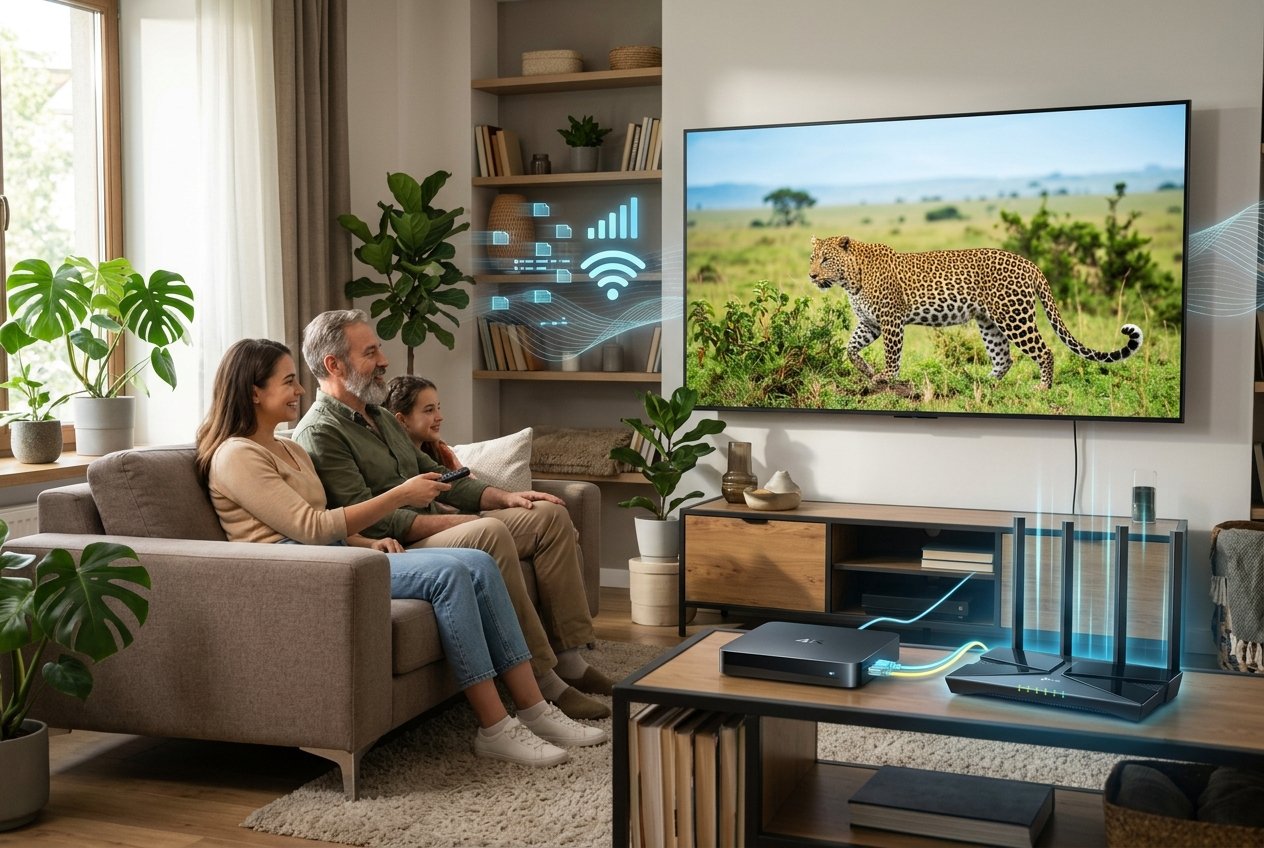
Achieving consistent 4K IPTV performance depends on three interconnected elements: maintaining buffer-free playback through adequate server infrastructure, preventing ISP interference that degrades streaming quality, and meeting specific network speed requirements that support ultra-high definition content delivery.
Buffer-Free Streaming and Uptime
Buffer-free streaming requires IPTV providers to maintain robust server infrastructure with 99.9% uptime guarantees. This level of reliability means your service experiences less than 9 hours of downtime annually, ensuring uninterrupted access to 4K content during critical viewing moments.
Premium providers implement redundant server networks that automatically route traffic to backup systems when primary servers experience issues. Advanced buffering technologies like Antifreeze 10.0 pre-load content segments to prevent playback interruptions during network fluctuations.
Server location matters significantly for streaming quality. Providers with geographically distributed servers reduce latency by positioning content closer to your physical location. This distributed approach maintains stable IPTV performance even during peak usage hours when network congestion typically causes buffering issues for services with limited infrastructure.
ISP Throttling Prevention
Internet service providers sometimes throttle streaming traffic when they detect high bandwidth usage patterns. This selective slowdown specifically targets video streaming, degrading your 4K IPTV quality even when you have sufficient connection speeds.
Reliable IPTV services implement encryption protocols that prevent ISPs from identifying and throttling your streaming traffic. This protection maintains consistent streaming quality regardless of your ISP’s traffic management policies.
Using a wired ethernet connection instead of Wi-Fi provides additional protection against quality degradation. Ethernet eliminates wireless interference and delivers stable, consistent speeds that streaming services require for uninterrupted 4K playback.
Bitrate and Network Requirements
4K IPTV streaming requires minimum internet speeds of 25 Mbps for stable performance. However, consistent 4K quality with HDR content needs 35-50 Mbps to handle bitrate peaks during complex scenes with rapid motion or detailed imagery.
Your actual streaming quality depends on adaptive bitrate technology that adjusts resolution based on available bandwidth. Superior providers maintain higher base bitrates that preserve detail during automatic quality adjustments, preventing noticeable drops in picture clarity.
| Resolution | Minimum Speed | Recommended Speed |
|---|---|---|
| 4K Standard | 25 Mbps | 35-50 Mbps |
| 4K HDR | 35 Mbps | 50-75 Mbps |
| 4K Sports | 40 Mbps | 75+ Mbps |
Network consistency matters more than peak speeds. A stable 30 Mbps connection outperforms an unstable 100 Mbps connection with frequent speed variations that trigger buffering issues and quality drops during playback.
Device Compatibility and Multi-Device Support
4K IPTV services work across a wide range of devices and support multiple simultaneous connections, allowing you to watch different content on several screens at once using popular IPTV players and apps.
Supported Devices and IPTV Players
You can access 4K IPTV on Smart TVs (Samsung, LG), Android TV boxes, Fire TV Stick, Nvidia Shield, and mobile devices running iOS or Android. Most services also support MAG boxes, Enigma2 receivers, and standard computers through web browsers.
The most commonly used IPTV players include TiviMate, IPTV Smarters, IBO Player Pro, Smart STB, and OTT Navigator. These apps accept both M3U playlist URLs and Xtream Codes API credentials for activation. TiviMate is particularly popular on Android TV and Fire TV Stick due to its interface and EPG features, while IPTV Smarters offers broader cross-platform compatibility.
Setup typically involves installing your chosen IPTV app, entering the login credentials or portal URL provided by your service, and syncing the channel list. Some Smart TV apps require a one-time activation fee paid directly to the app developer.
Multi-Screen and Simultaneous Streams
Most 4K IPTV providers offer plans with multi-device support, allowing 2-5 simultaneous streams depending on your subscription tier. This means multiple family members can watch different channels or content at the same time on separate devices.
Connection limits are enforced at the server level. If you exceed your allowed simultaneous streams, you’ll encounter “connection in use” errors. Higher-tier plans cost more but increase the number of concurrent connections available to your account.
For optimal performance across multiple devices, you need adequate internet bandwidth. A single 4K stream requires approximately 25 Mbps, so calculate your total bandwidth needs based on the number of simultaneous streams you plan to use.
Smart TV and Streaming Device Integration
Android TV devices and the Fire TV Stick provide the most straightforward setup experience through native app stores. You can download IPTV apps directly and configure them without sideloading.
Smart TVs from Samsung and LG require specific apps like IBO Player Pro or Smart STB, which may need activation codes that you provide to your IPTV service for account linking. The Nvidia Shield offers superior processing power for handling 4K streams with minimal buffering.
For best results, use a wired Ethernet connection or 5 GHz Wi-Fi. This ensures stable bandwidth for HD IPTV and 4K content, reducing buffering and maintaining picture quality across all connected devices.
Pricing, Trials, and Payment Security
Understanding the financial aspects of 4K IPTV services helps you make informed decisions and protect your investment. Most providers offer flexible pricing structures, trial periods to test service quality, and multiple payment options to accommodate different preferences.
Typical Pricing Plans for 4K IPTV
IPTV subscription plans typically range from $11 to $16 per month for basic packages. Monthly plans usually cost between $11.99 and $15.99, while longer commitments offer better value. A three-month subscription averages $30 to $35, six-month plans run $47 to $50, and annual subscriptions cost $64 to $80.
Two-year plans provide the deepest discounts at around $140. Pricing often depends on channel count and features rather than video quality alone. Services offering 18,000 to 20,000 channels typically charge $15 monthly, while providers with 44,000+ channels maintain similar pricing. The number of connections allowed and access to premium sports channels can affect costs more than 4K capability itself.
Free Trials and Money-Back Guarantees
Most 4K IPTV providers offer a 24-hour free trial to test streaming quality and channel availability on your network. Some services extend trials to 36 hours, while premium providers may offer 3-day trials. These trial periods let you evaluate picture quality, interface usability, and buffering performance before committing financially.
A 24-hour free trial is the industry standard and typically requires no payment information upfront. This timeframe provides sufficient opportunity to test 4K streams during different times of day and verify compatibility with your devices. Few providers offer 30-day money-back guarantees, making the initial trial period your primary opportunity to assess service quality.
Secure and Convenient Payment Methods
Reputable 4K IPTV services accept credit cards, debit cards, and PayPal for secure payment processing. Many providers also support cryptocurrency payments, offering additional privacy for subscribers who prefer anonymous transactions. Secure payment gateways protect your financial information during checkout.
PayPal remains the most popular alternative payment method due to its buyer protection features. Cryptocurrency options like Bitcoin provide transaction anonymity but typically don’t offer refund mechanisms. Verify that your chosen provider uses encrypted payment processing regardless of method. Avoid services requesting wire transfers or unconventional payment methods that offer no consumer protection.
Evaluating Top 4K IPTV Providers
Selecting the right 4K IPTV provider requires assessing actual streaming performance, content libraries, and reliability across different services. Premium IPTV services vary significantly in channel count, sports coverage, and international content availability.
Leading Providers and Brand Comparison
The best IPTV services differentiate themselves through streaming technology and content delivery systems. Nomad IPTV offers over 20,000 live channels with AntiFreeze 10.0 technology, while IMAX IPTV focuses on optimized servers for Firestick and smart TV platforms. Plevo IPTV emphasizes stability with minimal downtime across thousands of channels.
Price points vary from $15 monthly to $100 annually for premium services. Testing across Fire TV Stick 4K, Nvidia Shield, and Samsung Smart TVs shows top providers average less than 0.6 buffering interruptions per hour on 200 Mbps connections.
| Provider | Channels | Monthly Price | Key Feature |
|---|---|---|---|
| Nomad IPTV | 20,000+ | $15 | AntiFreeze 10.0 |
| IMAX IPTV | Varies | Competitive | Anti-Buffer Tech |
| Plevo IPTV | Thousands | Premium | High Stability |
Device compatibility matters for 4K streaming. Your IPTV service should support Android TV, iOS, Windows, and streaming devices without quality loss across simultaneous streams.
Premium Channels and Sports Coverage
Sports streaming represents a critical evaluation factor for premium IPTV providers. The best IPTV services deliver live sports including PPV events, regional sports networks, and international competitions in HD and 4K resolution. iScreen HD IPTV specializes in sports channels with crystal-clear streaming and minimal buffering during live events.
News channels and sports streaming require consistent uptime. Testing confirms reliable providers maintain 99%+ availability during peak viewing hours. Your provider should offer daily updates for sports schedules and PPV events.
Blockbuster movies and entertainment channels complement sports coverage in premium packages. VOD libraries containing 136,000+ titles ensure content availability beyond live broadcasts. Sports enthusiasts need providers that handle concurrent streams without degrading video quality during major sporting events.
International Content and Channel Lineup
International channels expand your IPTV service beyond USA live IPTV offerings. PearStream IPTV provides global coverage with regional content from Europe, Asia, and Latin America. Channel availability varies by provider, with some offering specialized packages for specific countries or language groups.
Your channel lineup should match your viewing preferences. Services like Digitalizard IPTV and 4K IPTV Zone focus on niche international content alongside mainstream channels. Channel count alone doesn’t guarantee quality—verify that listed channels actually stream in 4K where advertised.
Content updates matter for international viewers. Daily refreshes ensure access to current programming across different time zones. Your provider’s server infrastructure affects international channel reliability, particularly for streams originating from distant regions. Multi-device support lets you access international content on phones, tablets, and smart TVs simultaneously.
Customer Support, Security, and User Experience
Reliable customer service, intuitive platform design, and robust safety features determine whether a 4K IPTV service meets your daily streaming needs. These elements directly impact your ability to resolve issues quickly and maintain a secure viewing environment for your household.
Quality of Customer Service
Your 4K IPTV provider should offer 24/7 support through multiple contact channels. The most responsive services provide live chat, email, and WhatsApp support to address technical issues, billing questions, and streaming problems as they arise.
Response times matter significantly when you’re experiencing buffering during live events or payment processing errors. Premium providers typically respond within 15-30 minutes through live chat, while email inquiries should receive replies within 24 hours.
Look for services that maintain detailed ticket histories and use CRM systems to track your previous interactions. This allows support representatives to access your account information immediately, eliminating the need to repeat your issue multiple times. The best providers also offer support in multiple languages and provide troubleshooting guides for common problems like device compatibility and connection stability.
User Interface and Ease of Use
A user-friendly interface should allow you to navigate thousands of channels and on-demand content without confusion or delay. The EPG (Electronic Program Guide) must load quickly, display accurate scheduling information, and let you browse upcoming programs across different time zones.
Your interface should include search functionality that works across channels, movies, and series simultaneously. Favorites lists, recently watched sections, and customizable channel ordering help you access preferred content without scrolling through entire catalogs.
Cross-device compatibility ensures consistent performance whether you’re streaming on a Firestick, smart TV, Android box, or mobile device. The interface should adapt to different screen sizes while maintaining the same core functionality and visual clarity.
Parental Controls and Safety
Parental controls allow you to restrict access to adult content and set viewing time limits for children’s profiles. You should be able to create PIN-protected profiles that prevent unauthorized purchases and block specific channels or content ratings.
Secure payment processing through encrypted gateways protects your financial information during subscription renewals and upgrades. Reputable providers never store complete credit card details on their servers and offer alternative payment methods like cryptocurrency or prepaid options.
Your account should support profile separation, allowing family members to maintain individual watch histories and recommendations. Age-appropriate content filters should automatically hide unsuitable material based on rating systems, and you should receive activity reports showing what content each profile has accessed.
Legal, Regional, and Technical Considerations
Streaming 4K IPTV involves navigating licensing requirements, overcoming geographic restrictions, managing ISP limitations, and staying current with content libraries. Understanding these factors helps you choose reliable services and avoid technical or legal problems.
Legal and Geo-Restriction Issues
IPTV technology is legal in the United States, but the legality depends on whether the service holds proper licensing agreements for its content. Licensed services like YouTube TV, Hulu + Live TV, and FuboTV pay for streaming rights and operate legally. Unauthorized services that distribute copyrighted content without permission violate the Digital Millennium Copyright Act (DMCA) and the Protecting Lawful Streaming Act.
Geo-restrictions limit access to content based on your location. Many legal IPTV providers restrict 4K streams to specific regions due to licensing agreements with networks and studios. If you try accessing content outside authorized areas, you may encounter blocked streams or reduced quality.
Signs of legal services:
- Transparent business registration and contact information
- Standard payment methods like credit cards and PayPal
- Official apps available in Google Play and Apple App Store
- Clear licensing documentation
Services requiring VPNs to bypass geo-restrictions often lack proper licensing. Using unlicensed IPTV services risks ISP warnings, service termination, and potential civil lawsuits from copyright holders.
ISP Policies and Streaming Stability
Your internet service provider directly impacts 4K IPTV performance. Streaming 4K content requires 25-35 Mbps minimum bandwidth per stream. ISP throttling can reduce speeds during peak hours or when detecting high data usage, causing buffering and quality drops.
Some ISPs implement data caps that limit monthly usage. A single hour of 4K streaming consumes approximately 7-10 GB of data. Exceeding your cap results in additional fees or reduced speeds.
Factors affecting stability:
- Network congestion during evening hours
- Router quality and Wi-Fi signal strength
- Distance from ISP infrastructure
- Use of wired Ethernet versus wireless connections
Check your ISP’s policies on streaming services and data limits before subscribing to 4K IPTV. Consider upgrading to unlimited data plans if you stream frequently. Wired connections provide better stability than Wi-Fi for consistent 4K playback.
Upgrades and Content Updates
Legal IPTV services regularly update their content libraries and technical infrastructure. Content updates include new movies, series episodes, live sports events, and channel additions. Most licensed providers add fresh content weekly or monthly based on network contracts.
Technical upgrades improve streaming quality, add features like enhanced DVR storage, and optimize 4K delivery. Services typically roll out app updates automatically, but you may need to manually update streaming devices or smart TV applications.
Update considerations:
- Automatic app updates may temporarily interrupt service
- New content availability varies by licensing region
- Hardware compatibility requirements may change with major platform upgrades
- DVR recordings might expire based on network agreements
Subscribe to provider notifications to stay informed about content updates and scheduled maintenance. Older streaming devices may lose 4K support as services upgrade their technology, requiring hardware replacement to maintain maximum quality.
Frequently Asked Questions
Reliable 4K IPTV streaming depends on compatible hardware, sufficient bandwidth, proper configuration, and the ability to distinguish genuine ultra-high-definition content from lower-quality alternatives. Understanding device compatibility, network requirements, and setup procedures helps you achieve consistent playback quality.
Which devices and platforms support streaming in 4K quality reliably?
Android-based devices offer the broadest compatibility for 4K IPTV streaming. This includes Amazon Fire TV Stick 4K, Fire TV Cube, Nvidia Shield TV, and Android TV boxes with hardware capable of decoding HEVC/H.265 video.
Smart TVs from Samsung, LG, and Sony with built-in Android TV or proprietary operating systems can handle 4K streams when using compatible IPTV applications. You need to verify that your specific TV model supports the necessary video codecs and has sufficient processing power.
Apple devices like Apple TV 4K, iPhone, and iPad support 4K playback through compatible IPTV apps available in the App Store. Windows and Mac computers can stream 4K content through dedicated IPTV software or VLC media player with appropriate hardware specifications.
What internet speed and network setup are required to avoid buffering in ultra-high-definition streams?
You need a minimum download speed of 25 Mbps for stable 4K streaming, though 50 Mbps or higher provides a better experience with multiple devices on your network. These speeds account for the higher bitrate demands of ultra-high-definition content.
A wired Ethernet connection delivers more consistent performance than Wi-Fi. If you must use wireless connectivity, position your streaming device close to your router or use a 5 GHz Wi-Fi band rather than 2.4 GHz.
Your router should support Quality of Service (QoS) settings to prioritize streaming traffic. Close bandwidth-intensive applications on other devices during 4K playback to prevent network congestion.
How can I verify that a stream is truly 4K and not upscaled or mislabeled?
Check your IPTV app’s playback information or statistics screen, which typically displays the current stream resolution and bitrate. Genuine 4K streams show a resolution of 3840×2160 pixels and bitrates typically ranging from 15 to 30 Mbps.
Visual inspection reveals quality differences when you compare content labeled as 4K against confirmed 1080p streams. True 4K content displays sharper edges, more detailed textures, and finer image clarity, especially in scenes with complex patterns or distant objects.
Most modern streaming apps like TiviMate and IPTV Smarters display codec information in their settings menu. Look for HEVC (H.265) encoding, which is standard for efficient 4K delivery.
What are the key factors to compare when choosing a high-quality streaming service in the USA?
Channel selection matters more than quantity alone. Evaluate whether the service includes the specific networks, sports packages, and international content you watch regularly.
Stream quality consistency separates reliable providers from unreliable ones. Services should maintain stable connections with minimal downtime and offer genuine HD or 4K resolution rather than upscaled content.
Pricing structure affects long-term value. Compare monthly costs against multi-month discounts, but verify refund policies and trial periods before committing to extended subscriptions.
Customer support availability indicates service reliability. Look for providers offering 24/7 assistance through multiple channels like live chat, email, or messaging apps.
How do I set up and troubleshoot an IPTV app or APK for stable playback on Android devices?
Download your IPTV application from official sources rather than third-party websites to avoid modified or malicious versions. For apps not available in the Google Play Store, enable “Install Unknown Apps” in your Android settings for the specific browser or file manager you’re using.
Enter your login credentials including server URL, username, and password exactly as provided by your IPTV service. Most services use Xtream Codes API format, which requires these three separate fields rather than a single M3U URL.
If playback stutters or buffers frequently, adjust the hardware acceleration settings in your app’s player preferences. Switch between internal player options or try external players like VLC or MX Player.
Clear your app’s cache regularly through Android settings to prevent performance degradation. If streams fail to load, verify your internet connection works properly and restart both your device and router.
Can Roku be used for IPTV playback, and what setup options work best for 4K streaming?
Roku devices support IPTV through specific apps available in the Roku Channel Store, though options are more limited compared to Android platforms. The platform’s closed ecosystem restricts sideloading applications, which limits your choices.
M3U playlists work with certain Roku IPTV apps that accept direct playlist URLs. You need to obtain the M3U link from your provider and enter it into compatible Roku applications through their configuration screens.
Xtream Codes API login is supported by select Roku IPTV apps. You’ll enter your server URL, username, and password in the app’s settings, similar to the setup process on other platforms.
For the most reliable 4K IPTV experience, consider using an Android-based device instead of Roku. Android platforms offer broader app compatibility, more player options, and better codec support for ultra-high-definition streams.
Table of Contents
4K IPTV 4K IPTV 4K IPTV 4K IPTV 4K IPTV 4K IPTV 4K IPTV 4K IPTV 4K IPTV 4K IPTV 4K IPTV 4K IPTV 4K IPTV 4K IPTV 4K IPTV 4K IPTV 4K IPTV 4K IPTV 4K IPTV 4K IPTV